
Handyman vs. Specialist: When to Hire a General Handyman or a Specialty Contractor
Homeowners and property managers face this dilemma constantly: should you call a handyman or hire a specialized contractor like a plumber, electrician, or HVAC technician? Understanding the differences between these service providers can save you significant time, money, and frustration. This comprehensive guide explores when a handyman is the right choice, when specialty contractors are necessary, and how to make informed decisions that protect your property investment while managing costs effectively.
Understanding What a Handyman Actually Does
A handyman is a versatile professional who handles a wide variety of repair, maintenance, and installation tasks across multiple trades. Unlike specialty contractors who focus exclusively on one area, a skilled handyman brings broad knowledge and diverse capabilities to tackle numerous common household problems. The typical handyman can competently handle minor plumbing repairs, basic electrical work, carpentry projects, painting, drywall repair, appliance installation, and general maintenance tasks.
The handyman profession exists precisely because most property maintenance needs don’t require the deep expertise of licensed specialty contractors. When your kitchen faucet drips, a cabinet door hangs crooked, or outlet covers need replacing, hiring an expensive specialist often represents overkill. A competent handyman can address these issues efficiently and cost-effectively, making them invaluable for routine property maintenance.
However, handyman services do have limitations. Most regions regulate the scope of work handymen can perform, particularly regarding electrical and plumbing systems. Understanding these boundaries helps you determine when a handyman is appropriate and when bringing in specialty contractors becomes necessary for legal compliance and safety reasons.
What Defines a Specialty Contractor
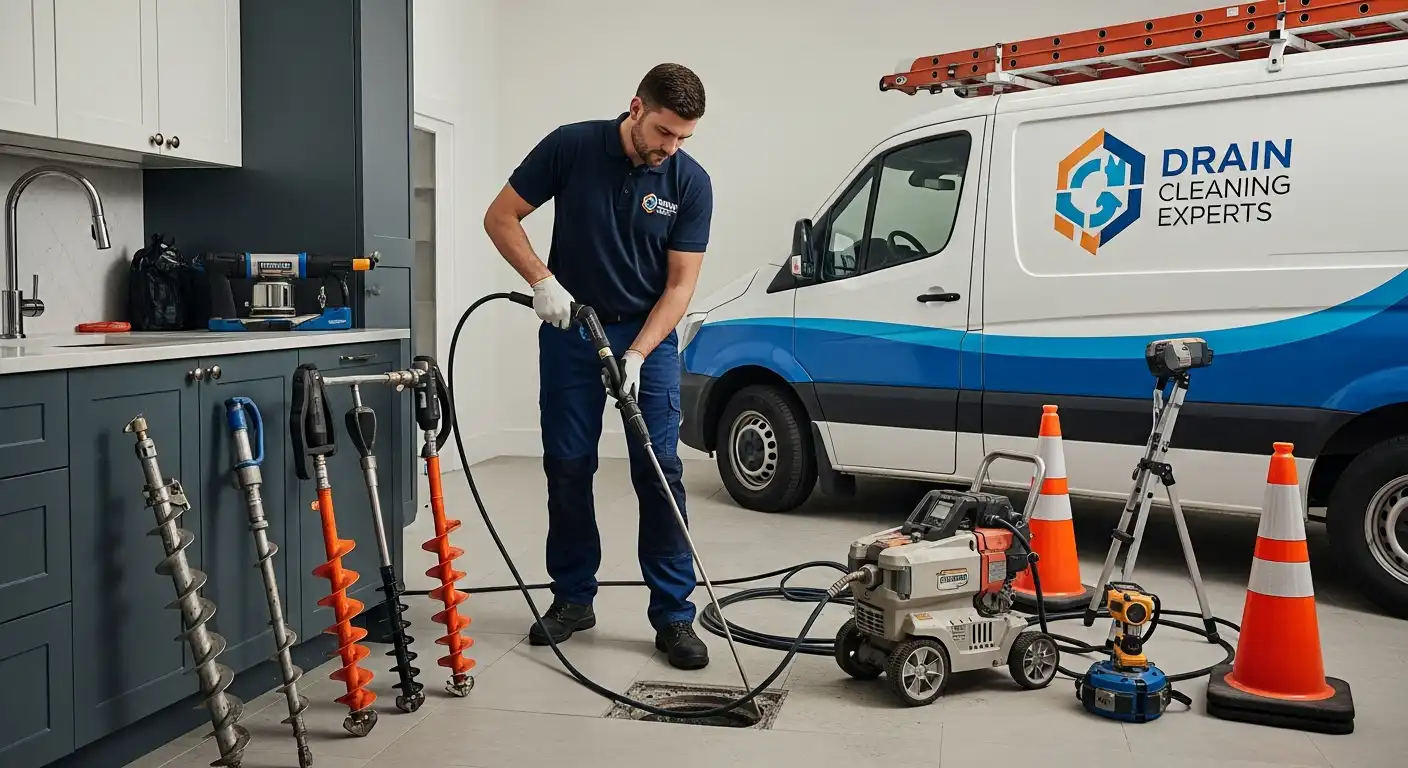
Specialty contractors focus exclusively on specific trades like plumbing, electrical work, HVAC systems, roofing, foundation repair, or major remodeling. These professionals undergo extensive training, apprenticeships, and certification processes before earning their licenses. A licensed plumber, for example, spends years learning the intricacies of water supply systems, drainage, gas lines, and building codes specific to their trade.
The primary advantage of specialty contractors lies in their depth of expertise. When you hire an electrician to rewire your home or upgrade your electrical panel, you’re accessing knowledge accumulated through thousands of hours of specialized training and hands-on experience. This expertise proves crucial for complex installations, major repairs, and work that impacts your home’s safety systems.
Specialty contractors also carry specific licensing, bonding, and insurance tailored to their trade. These credentials provide legal protections and ensure the work meets current building codes and safety standards. When you sell your home, permitted work completed by licensed specialty contractors adds value and credibility that handyman repairs typically cannot provide.
Cost Comparisons: Handyman vs. Specialty Contractors
Budget considerations significantly influence the decision between hiring a handyman or specialty contractor. Handyman services typically charge between thirty-five and eighty dollars per hour, depending on your location and the professional’s experience level. Some handyman professionals offer flat rates for common tasks, providing predictable pricing that helps with budget planning.
Specialty contractors command higher rates reflecting their extensive training and licensing requirements. Licensed plumbers often charge between one hundred and two hundred dollars per hour, while electricians typically range from eighty to one hundred fifty dollars hourly. HVAC technicians, roofers, and foundation specialists frequently charge even higher rates due to the complexity and risk associated with their work.
For minor repairs and maintenance tasks, the cost difference between a handyman and specialty contractor can be substantial. Replacing a toilet flapper valve might cost forty dollars when a handyman handles it, compared to one hundred fifty dollars or more for a plumber’s service call. Over time, these savings accumulate significantly, particularly for property managers overseeing multiple units requiring frequent minor repairs.
However, focusing solely on hourly rates can be misleading. Specialty contractors often complete complex tasks faster than handymen due to their focused expertise and specialized tools. A licensed electrician might complete in two hours what takes a handyman four hours, potentially offsetting the rate differential. Additionally, work requiring permits and inspections must be performed by licensed specialty contractors regardless of cost considerations.
Legal and Licensing Boundaries Between Handyman and Specialists
Legal restrictions governing handyman scope of work vary considerably by location, making it essential to understand your jurisdiction’s specific regulations. Many states limit the dollar value of projects handymen can undertake without licensing, typically ranging from five hundred to five thousand dollars per project. Exceeding these thresholds requires hiring licensed specialty contractors.
Electrical and plumbing work face particularly strict regulations. Most regions prohibit handymen from performing any electrical work beyond replacing switches, outlets, or light fixtures on existing circuits. Running new electrical wiring, upgrading electrical panels, or modifying circuit breaker boxes universally requires licensed electricians. Similarly, while a handyman might replace a faucet or fix a leaky pipe, installing new plumbing lines, working on gas systems, or modifying main water supplies typically demand licensed plumbers.
Understanding these legal boundaries protects you from liability issues and code violations. Work performed by unlicensed individuals often isn’t covered by homeowners insurance if problems arise. Additionally, unpermitted work must be corrected before you can sell your property, potentially costing far more than hiring properly licensed specialty contractors initially would have.
Savvy handyman professionals understand their limitations and communicate clearly about what they can and cannot legally perform. When a competent handyman tells you a project requires a licensed specialty contractor, trust their judgment. This transparency indicates professionalism and protects both parties from legal complications.
When a Handyman Is the Right Choice
Numerous situations make hiring a handyman the optimal decision. Minor repairs that don’t involve major system modifications represent the handyman’s sweet spot. Fixing squeaky doors, patching drywall holes, replacing cabinet hardware, installing shelving, and addressing minor cosmetic issues are perfect handyman tasks that don’t justify specialty contractor rates.
Preventive maintenance tasks also align perfectly with handyman capabilities. Regular gutter cleaning, caulking around windows and doors, replacing weatherstripping, checking smoke detector batteries, and performing seasonal maintenance checks keep your property in excellent condition without requiring specialized expertise. Establishing a relationship with a reliable handyman for these recurring tasks provides consistency and convenience.
Small improvement projects that enhance functionality without major structural changes work well with handyman services. Installing grab bars, replacing door handles, mounting televisions, assembling furniture, and updating light fixtures improve your living space affordably when a skilled handyman handles them. These projects add value and comfort without the expense of specialty contractors.
Property managers particularly benefit from handyman relationships for tenant turnover work. Painting between tenants, making minor repairs, replacing worn fixtures, and ensuring units meet rental standards represents exactly the type of varied, moderate-complexity work where handymen excel. The versatility of a good handyman means one professional can address multiple issues during a single visit, maximizing efficiency.
When Specialty Contractors Are Necessary
Certain situations absolutely demand specialty contractors regardless of cost considerations. Any project requiring building permits typically needs licensed professionals since permit applications require contractor license numbers. Major electrical work, plumbing system modifications, HVAC installations, structural changes, and roofing replacements all fall into this category.
Safety-critical repairs should always involve specialty contractors. Problems with electrical panels, gas lines, structural supports, or roof integrity pose serious hazards when handled improperly. The specialized knowledge that licensed electricians, plumbers, and structural engineers bring to these situations protects your family and property from catastrophic failures.
Warranty considerations often dictate hiring specialty contractors. Many appliance manufacturers require installation by licensed professionals to maintain warranty coverage. Similarly, if your home systems are under warranty, repairs by anyone other than licensed specialty contractors might void those protections. Always verify warranty terms before deciding between a handyman and specialist.
Complex diagnostic work benefits from specialty contractor expertise. When you know your electrical system has problems but can’t identify the source, an electrician’s diagnostic tools and knowledge pinpoint issues quickly. Similarly, mysterious plumbing leaks, HVAC performance problems, or structural concerns require the systematic troubleshooting capabilities specialty contractors develop through years of focused experience.
The Hybrid Approach: Using Both Handyman and Specialists Strategically
The most cost-effective property maintenance strategy involves using both handyman services and specialty contractors appropriately. This hybrid approach leverages each professional type’s strengths while minimizing costs. A reliable handyman handles routine maintenance and minor repairs, while licensed specialty contractors tackle complex projects requiring permits and specialized expertise.
Many property owners develop teams consisting of a trusted handyman for general needs plus relationships with licensed plumbers, electricians, and HVAC technicians for specialized work. This approach provides comprehensive coverage across all maintenance scenarios without paying specialty contractor rates for simple tasks.
Smart coordination between your handyman and specialty contractors maximizes efficiency. Your handyman might identify issues requiring specialty contractor attention during routine maintenance visits, allowing you to address problems before they escalate. Conversely, after a specialty contractor completes major work, your handyman can handle finishing touches like painting, trim work, or minor adjustments.
Management software proves invaluable for coordinating this hybrid approach. Digital platforms help you track which professional handles specific types of work, maintain contact information for your entire service provider network, and route maintenance requests to the appropriate contractor based on the issue description. This organization ensures nothing falls through the cracks while optimizing costs.
How Management Software Streamlines Contractor Selection
Modern management software eliminates much of the guesswork in deciding whether to call a handyman or specialty contractor. Sophisticated platforms can categorize maintenance requests automatically, routing electrical issues to electricians, plumbing problems to plumbers, and general repairs to handymen. This automation ensures appropriate professionals handle each task without requiring you to become an expert in trade classifications.
The best management software maintains detailed profiles for both handyman services and specialty contractors in your network. These profiles include licensing information, specialties, service areas, pricing structures, and performance histories. When a maintenance issue arises, the software can recommend the most appropriate and cost-effective professional based on the specific circumstances.
Tracking features in management software help identify patterns that inform contractor selection decisions. If your handyman repeatedly encounters issues requiring specialty contractor follow-up, the software highlights these patterns. This data helps you route similar future problems directly to specialty contractors, saving time and reducing callbacks.
Cost analysis tools within management software compare handyman expenses against specialty contractor costs across different project types. These comparisons reveal where handymen provide maximum value and where specialty contractors, despite higher rates, deliver better overall results. Armed with this information, you make increasingly sophisticated decisions about contractor selection over time.
Insurance and Liability Considerations
Insurance requirements differ significantly between handymen and specialty contractors, impacting your risk exposure. Licensed specialty contractors typically carry substantial liability insurance and workers compensation coverage mandated by their licensing boards. This insurance protects you if accidents occur during work or if completed work causes property damage later.
Handyman insurance coverage varies more widely. While professional handymen should carry general liability insurance, coverage limits might be lower than specialty contractors maintain. Additionally, some handyman professionals operate without proper insurance, exposing property owners to significant liability if injuries occur during work on your property.
Always verify insurance coverage before engaging any contractor, whether handyman or specialist. Request certificates of insurance showing current coverage with adequate limits. Management software can store these certificates digitally, sending alerts when policies approach expiration dates. This documentation protects you legally and ensures you’re working only with properly insured professionals.
Understanding how insurance claims work with different contractor types helps inform hiring decisions for high-risk projects. Work involving heights, heavy equipment, or potential property damage warrants specialty contractors with robust insurance coverage. Lower-risk handyman tasks might not require the same insurance scrutiny, though verification remains prudent.
Project Complexity as a Decision Factor
Project complexity represents perhaps the most critical factor in choosing between a handyman and specialty contractor. Simple, straightforward tasks with clear scopes align perfectly with handyman capabilities. Replacing a broken towel bar, patching small drywall holes, or installing a ceiling fan on an existing electrical box represent clearly defined projects with minimal complexity.
As projects become more complex, involving multiple steps, diagnostic requirements, or potential complications, specialty contractors become increasingly appropriate. Running new electrical circuits for a home office expansion requires an electrician who can calculate electrical loads, ensure code compliance, and anticipate potential issues. Similarly, replumbing a bathroom involves considerations about water pressure, drainage slopes, and vent stacks that licensed plumbers handle expertly.
Consider worst-case scenarios when evaluating project complexity. What happens if your handyman encounters unexpected issues during the repair? For minor projects, small surprises cause minimal disruption. For major work affecting critical systems, surprises can cascade into expensive emergencies. Specialty contractors bring contingency planning skills and deep knowledge that help navigate unexpected complications smoothly.
Management software can incorporate decision trees that guide you through complexity assessments. By answering questions about project scope, systems involved, and permit requirements, the software recommends whether a handyman or specialty contractor represents the better choice. Over time, these guided decisions train you to recognize complexity indicators independently.
Quality Expectations and Workmanship Standards
Quality expectations should influence your choice between handyman and specialty contractor services. For cosmetic work where “good enough” suffices, handymen typically deliver satisfactory results at affordable prices. Not every repair requires perfect execution, particularly for rental properties or areas hidden from view.
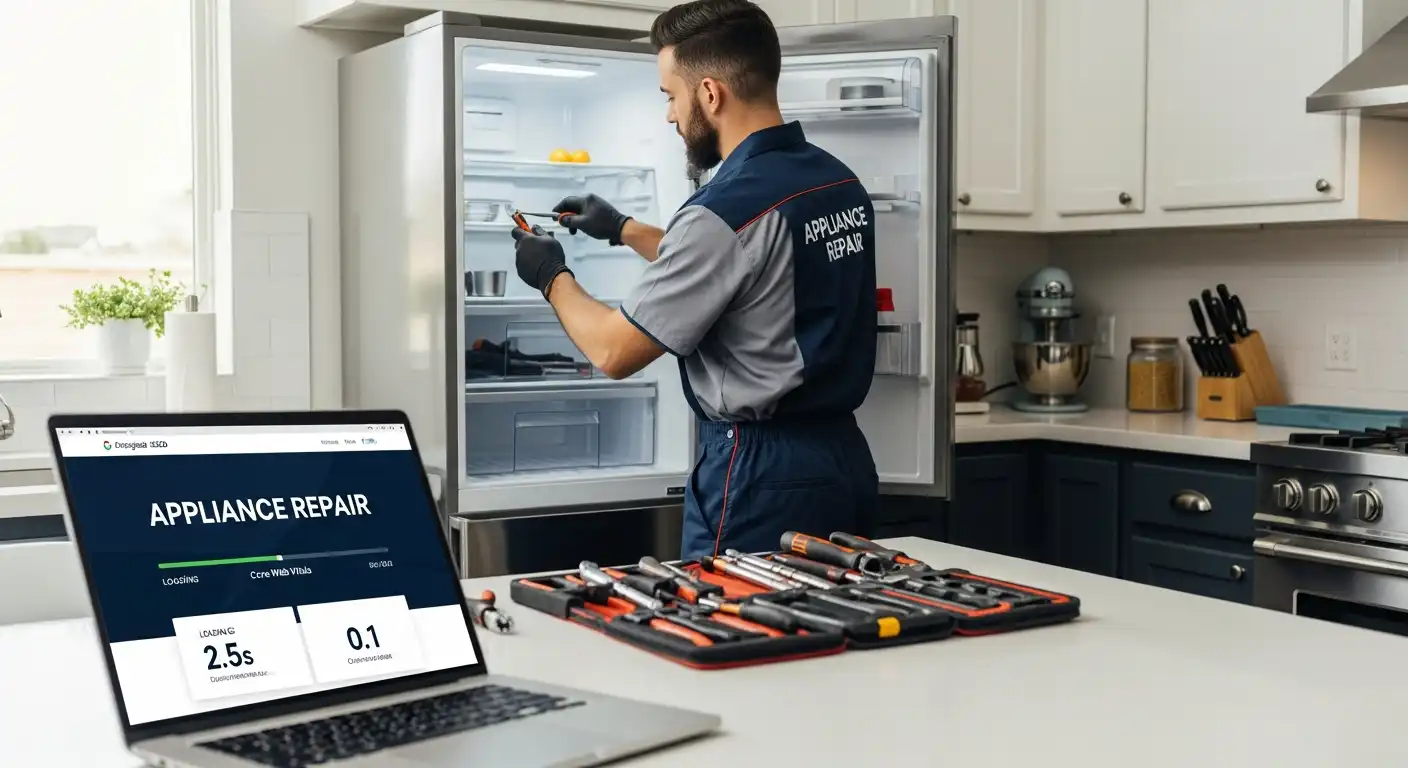
However, when you need superior craftsmanship or work that adds resale value, specialty contractors often justify their premium pricing. Master electricians take pride in neat wire runs and professional-looking installations. Licensed plumbers ensure connections won’t leak and water flows properly for decades. This attention to detail and pride in workmanship distinguishes specialty contractors from generalist handymen.
Consider whether you’ll need to show the work during home sales or inspections. Permitted work by licensed specialty contractors provides documentation that assures buyers and satisfies lenders. Handyman repairs, while functional, typically don’t carry the same credibility during property transactions.
Establish clear quality standards in agreements with both handymen and specialty contractors. Management software helps by storing standard specifications, before-and-after photos, and quality checklists. These documented standards ensure consistent results whether you’re using a handyman for minor repairs or a specialty contractor for major work.
Emergency Situations: Response Time Considerations
Emergency repairs demand immediate attention, making response time a crucial factor in contractor selection. Many handyman professionals offer more flexible scheduling than specialty contractors, potentially addressing urgent repairs faster. If your fence blows down in a storm or a door lock breaks, a responsive handyman might provide same-day service where specialty contractors have longer wait times.
However, emergencies involving critical systems typically require specialty contractors despite potentially longer wait times. Electrical fires, gas leaks, sewage backups, and water main breaks demand licensed professionals equipped to handle dangerous situations safely. Many specialty contractors maintain emergency service availability specifically for these critical scenarios.
Developing relationships with both reliable handymen and trusted specialty contractors ensures you have appropriate emergency contacts for various scenarios. Management software can store emergency contact information with clearly marked priority levels, helping you reach the right professional quickly when crises arise.
Some property management organizations maintain on-call rotations with their handyman and specialty contractor networks. Management software facilitates these schedules, automatically routing emergency requests to whoever is on call. This systematic approach ensures rapid response regardless of when emergencies occur.
Building Your Maintenance Team: Handyman and Specialists Together
The most successful property maintenance strategies involve cultivating relationships with both versatile handymen and trusted specialty contractors. This balanced team approach provides comprehensive coverage across all maintenance scenarios while optimizing costs and quality.
Start by finding a reliable handyman who can serve as your first point of contact for most maintenance issues. This professional becomes your property’s primary caretaker, handling routine maintenance, minor repairs, and identifying issues requiring specialty contractor attention. A good handyman saves you money while keeping your property in excellent condition.
Simultaneously, develop relationships with licensed specialty contractors for each major trade. Find a trustworthy electrician, plumber, HVAC technician, and roofer who you can call when specialized work becomes necessary. Having these relationships established before emergencies arise saves valuable time and stress.
Management software excels at organizing and maintaining these professional relationships. Digital platforms store contact information, service histories, pricing agreements, and performance ratings for your entire contractor network. When maintenance needs arise, you quickly identify and contact the most appropriate professional.
Regular communication between your handyman and specialty contractors creates synergies that benefit everyone. Your handyman might notice minor electrical issues during routine maintenance that your electrician can address during their next scheduled visit. Similarly, after your plumber installs new fixtures, your handyman can handle touch-up painting and finishing work.
Training Property Teams on Contractor Selection
Organizations managing multiple properties benefit enormously from training staff to recognize when situations require handymen versus specialty contractors. Clear guidelines reduce confusion, improve response times, and optimize maintenance budgets. Management software provides the perfect platform for codifying and implementing these guidelines.
Create decision matrices that categorize common maintenance issues by appropriate contractor type. Leaky faucets, stuck doors, and cosmetic damage go to handymen. Electrical outages, gas odors, and structural concerns require specialty contractors. Management software can incorporate these matrices, automatically routing requests to appropriate professionals.
Train staff to ask probing questions when residents report problems. Understanding symptom severity, affected systems, and safety concerns helps determine whether immediate specialty contractor intervention is necessary or whether scheduling a handyman visit suffices. These assessment skills prevent both overreactions that waste money and underreactions that allow minor problems to escalate.
Document lessons learned from past contractor selection decisions. When a situation initially assigned to a handyman ultimately required a specialty contractor, analyze why the initial assessment was incorrect. Management software can flag these patterns, helping refine decision-making criteria over time.
Maximizing Value From Your Contractor Relationships
Getting maximum value from both handyman and specialty contractor relationships requires clear communication, fair treatment, and strategic planning. Contractors who feel valued and respected provide better service, more responsive scheduling, and often more favorable pricing than those who feel taken for granted.
Provide clear, detailed information when requesting services from either handymen or specialty contractors. Management software messaging features help by ensuring all relevant details accompany maintenance requests. Include photos, specific symptoms, access information, and any relevant background about previous repairs. This preparation helps contractors arrive properly equipped and complete work efficiently.
Pay promptly for satisfactory work, whether from handymen or specialty contractors. Reliable payment builds trust and often translates into priority scheduling when you need urgent assistance. Management software can automate payment processing, ensuring contractors receive compensation quickly after completing approved work.
Provide feedback to both handymen and specialty contractors about their performance. Positive feedback for excellent work motivates continued high standards. Constructive criticism about areas needing improvement helps contractors understand your expectations. Management software rating systems formalize this feedback process, creating performance records that inform future hiring decisions.
Long-Term Cost Management Through Strategic Contractor Use
Analyzing long-term maintenance costs reveals patterns that inform strategic decisions about handyman versus specialty contractor utilization. Management software provides the data infrastructure necessary for these analyses, tracking expenditures across contractor types, project categories, and time periods.
Some property owners discover they’re overusing expensive specialty contractors for tasks handymen could handle adequately. Others realize they’re creating false economies by using handymen for work that requires specialty contractor expertise, resulting in callbacks and escalating problems. Data-driven insights reveal these patterns objectively.
Preventive maintenance programs that leverage handyman services for routine inspections can identify issues before they require expensive specialty contractor interventions. Regular HVAC filter changes, gutter cleaning, and system checks by handymen prevent many problems that would otherwise necessitate emergency specialty contractor calls.
Budget forecasting becomes more accurate when management software tracks historical patterns in handyman versus specialty contractor expenses. Understanding seasonal variations, typical project costs, and contractor price trends helps you allocate maintenance budgets appropriately and negotiate more effectively with all contractors.
Future Trends in Handyman and Specialty Contractor Services
The maintenance industry continues evolving, with technology reshaping how handymen and specialty contractors deliver services. Understanding emerging trends helps you stay ahead of the curve and make informed decisions about your contractor relationships.
Many handyman professionals are expanding their credentials, obtaining limited specialty licenses that allow them to perform more extensive work within specific trades. These hybrid professionals offer middle-ground options between traditional handymen and full specialty contractors, potentially providing cost-effective solutions for moderately complex projects.
Specialty contractors increasingly leverage technology for diagnostics, using thermal imaging, moisture meters, and digital testing equipment that provide deeper insights into property systems. While this technology increases their value proposition, it also widens the capability gap between specialty contractors and handymen for complex troubleshooting.
Management software continues advancing, incorporating artificial intelligence that learns from your contractor selection decisions and outcomes. These systems will increasingly predict which professional type best suits specific maintenance scenarios based on accumulated data from thousands of similar situations.
Virtual diagnostics are becoming more common, where you video chat with specialty contractors who provide preliminary assessments before scheduling on-site visits. This trend helps determine whether issues truly require specialty contractor expertise or whether handyman interventions suffice, reducing unnecessary specialist service calls.

Conclusion: Making Informed Decisions for Every Maintenance Scenario
Choosing between a handyman and specialty contractor requires understanding the unique value each professional type brings to property maintenance. Handymen excel at versatile, moderate-complexity work that doesn’t require specialized licensing, providing cost-effective solutions for routine maintenance and minor repairs. Specialty contractors deliver deep expertise, legal compliance, and superior workmanship for complex projects involving critical systems and safety considerations.
The most successful property owners and managers don’t view this as an either-or decision but rather cultivate relationships with both handymen and specialty contractors, deploying each strategically based on specific project requirements. This balanced approach maximizes value while ensuring all work meets appropriate quality and legal standards.
Management software transforms contractor selection from guesswork into data-driven decision-making. By tracking performance, costs, and outcomes across your entire contractor network, these platforms help you continuously refine your approach to maintenance management. The insights gained from accumulated data enable increasingly sophisticated decisions that optimize both costs and results.
Whether you’re managing a single property or overseeing extensive real estate portfolios, understanding when to call a handyman versus a specialty contractor represents a fundamental skill that directly impacts your bottom line and property condition. Invest time in developing these relationships, leverage technology to organize and optimize your contractor network, and you’ll create a maintenance operation that delivers exceptional results efficiently and cost-effectively for years to come.
General Contractor vs. Handyman
How to handle poor performance